To compare window quotes, get every quote onto the same scope before you compare a single price. When two quotes for the same house are far apart, it is usually because they describe different work: one is supply only and the other is installed, one keeps your old frames, the glass is different, or one quote leaves out the structural work the other one priced.
This guide is the checklist we use when people send us their quotes. It works on anyone's quote, including ours, and it never needs to know our price.
Why Do Two Quotes for the Same Windows Differ So Much?
Usually because the suppliers are quoting different jobs. Four differences move the most money, roughly in this order.
Supply against installed. A supply-only number and an installed number for the same windows can be a long way apart, and many quotes never say which one they are. This one distinction causes more confusion than everything else on this page.
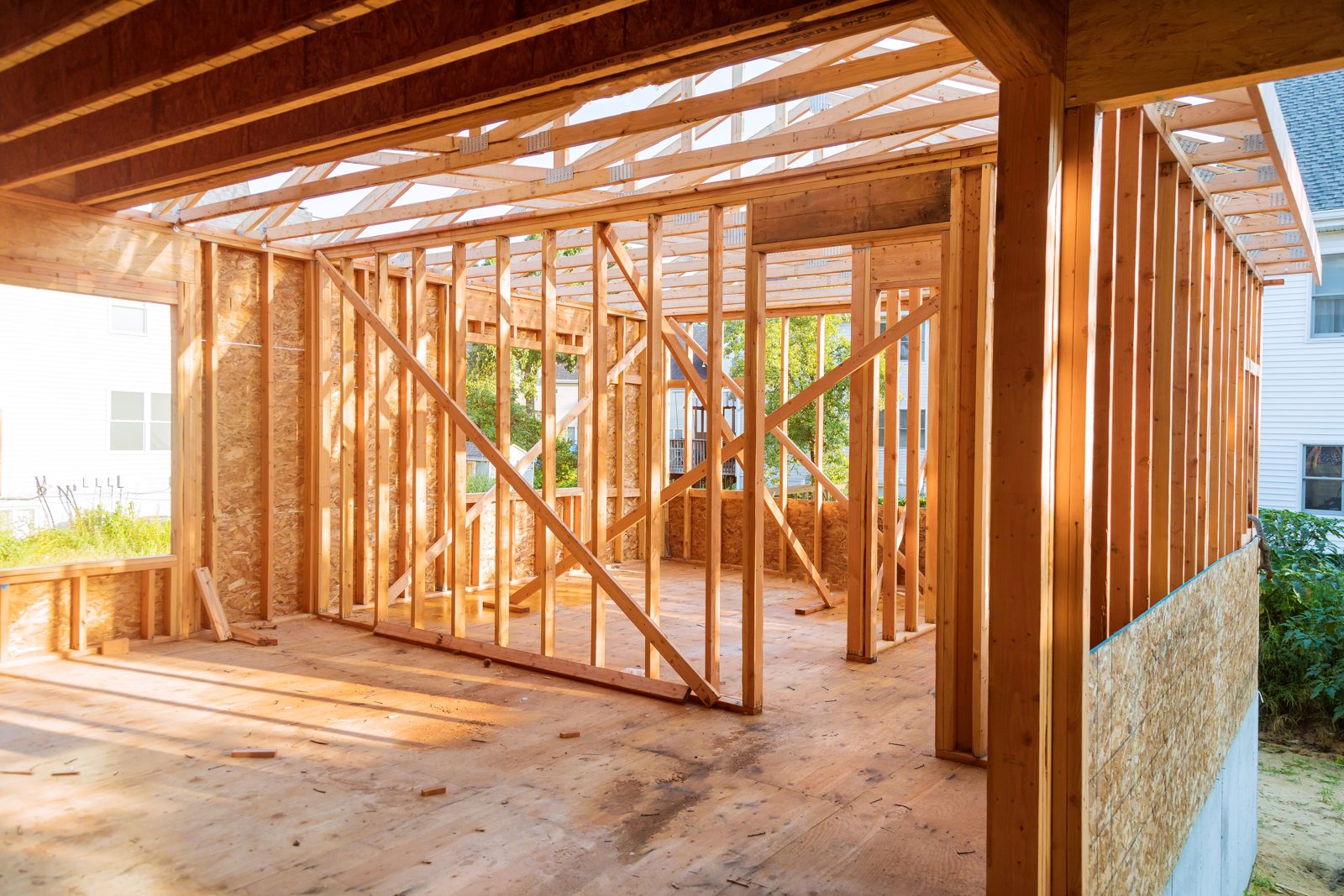
Insert against full-frame. An insert replacement leaves your existing frame in the wall and fits the new window inside it. It is faster and cheaper, and you lose some glass on every side for good. A full-frame quote takes the old frame out and keeps your glass area. Same house and same windows, but very different work.
Different glass packages. Two quotes that both say "Low-E double glazing" can be priced well apart and land on opposite sides of the energy code. In Georgia, windows have to meet a U-factor of 0.35 or lower and an SHGC of 0.27 or lower. A real glass package has a name and a certified U-factor. If neither is on the quote, you are not comparing glass.
Structural work one quote never mentions. A wide opening needs a header sized to carry the wall above it. On a door over about 10 ft, ask your contractor about the header early. It is a contractor line rather than a window line, so it shows up on almost no window quote. That is not dishonest, but it does make a quote that includes it look expensive next to one that ignores it.
The 12 Line Items Every Window Quote Should Specify
Mark which of these each quote actually states. The count tells you a lot before you read a single price.
| # | Line item | A complete answer |
|---|---|---|
| 1 | Supply and labor | Two separate figures, not one |
| 2 | Install type | Insert, full-frame or new construction, named |
| 3 | Unit schedule | Every opening, with its size and how it opens |
| 4 | Glass package | Its name, with the U-factor and SHGC for your configuration |
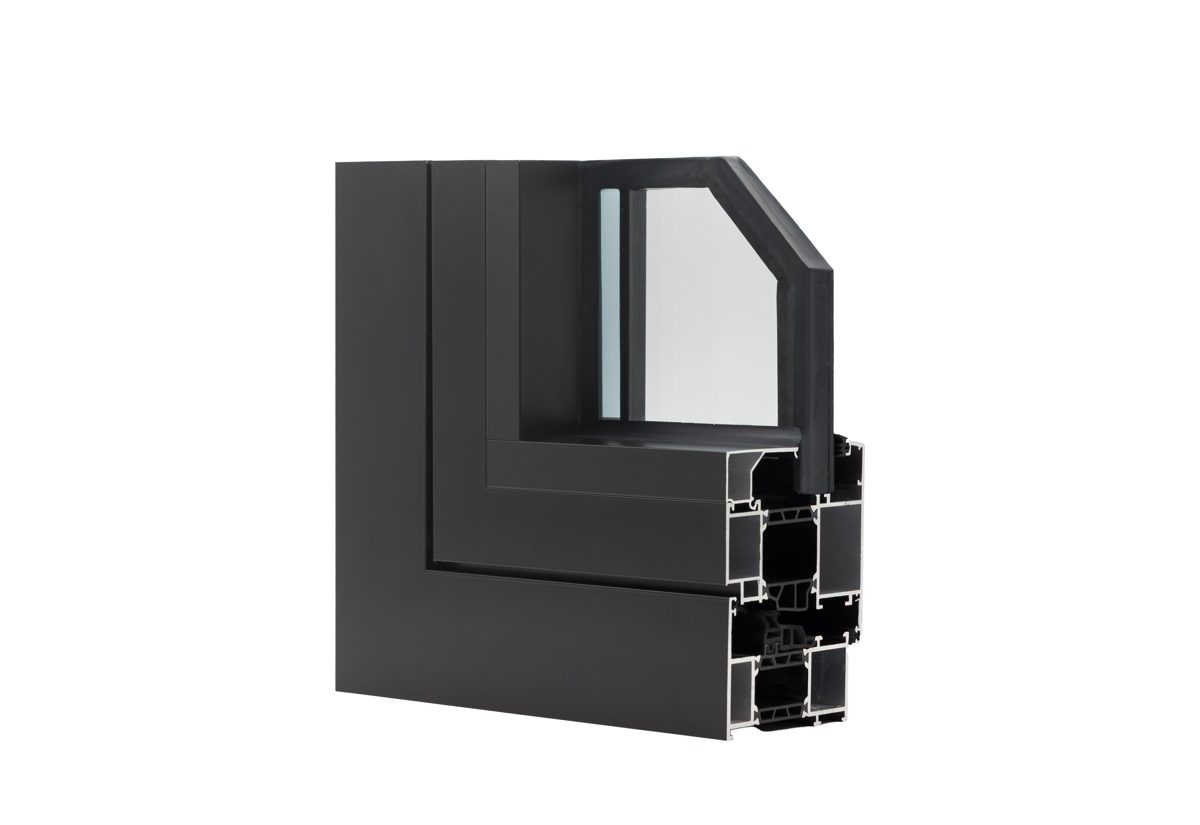
| 5 | Frame materialand face dimension | A material and a figure in millimeters or inches |
| 6 | Operating type | Fixed, casement, hung or slider, named for each unit |
| 7 | Hardware | The make, and whether it locks at more than one point |
| 8 | Finish | The finish, and the standard behind its warranty |
| 9 | Screens | Included or not, and inside or outside |
| 10 | Removal and disposal | Of the old units, stated |
| 11 | Trim | Interior returns and exterior trim, in or out |
| 12 | Lead time and payment terms | The event that starts the clock, and the payment schedule |
Item 12 catches more people than any other. A lead time counted from signature and one counted from a cleared deposit can be weeks apart for the same product. Ask which event starts the clock.
Seven Pricing Habits to Watch For
None of these is fraud. Each one makes a quote look better than a comparable one.
One average price per window. Twelve windows quoted as one number divided by twelve hides the sizes completely. The price per square foot falls as a window gets bigger, because much of a window's cost comes with the unit rather than with its area. Ask for the schedule.
Supply quoted next to installed. It is worth checking on every document rather than assuming.
The starting glass package. The base package goes into the number and the upgrade comes up later. Ask which package is in the price and what the next one costs.
Installation as a percentage with no scope. Thirty percent of what, covering which work? Ask about removal, disposal, trim and drywall returns.
Freight left out or buried. On an imported product, freight is a real part of the cost. It belongs on the quote as its own line.
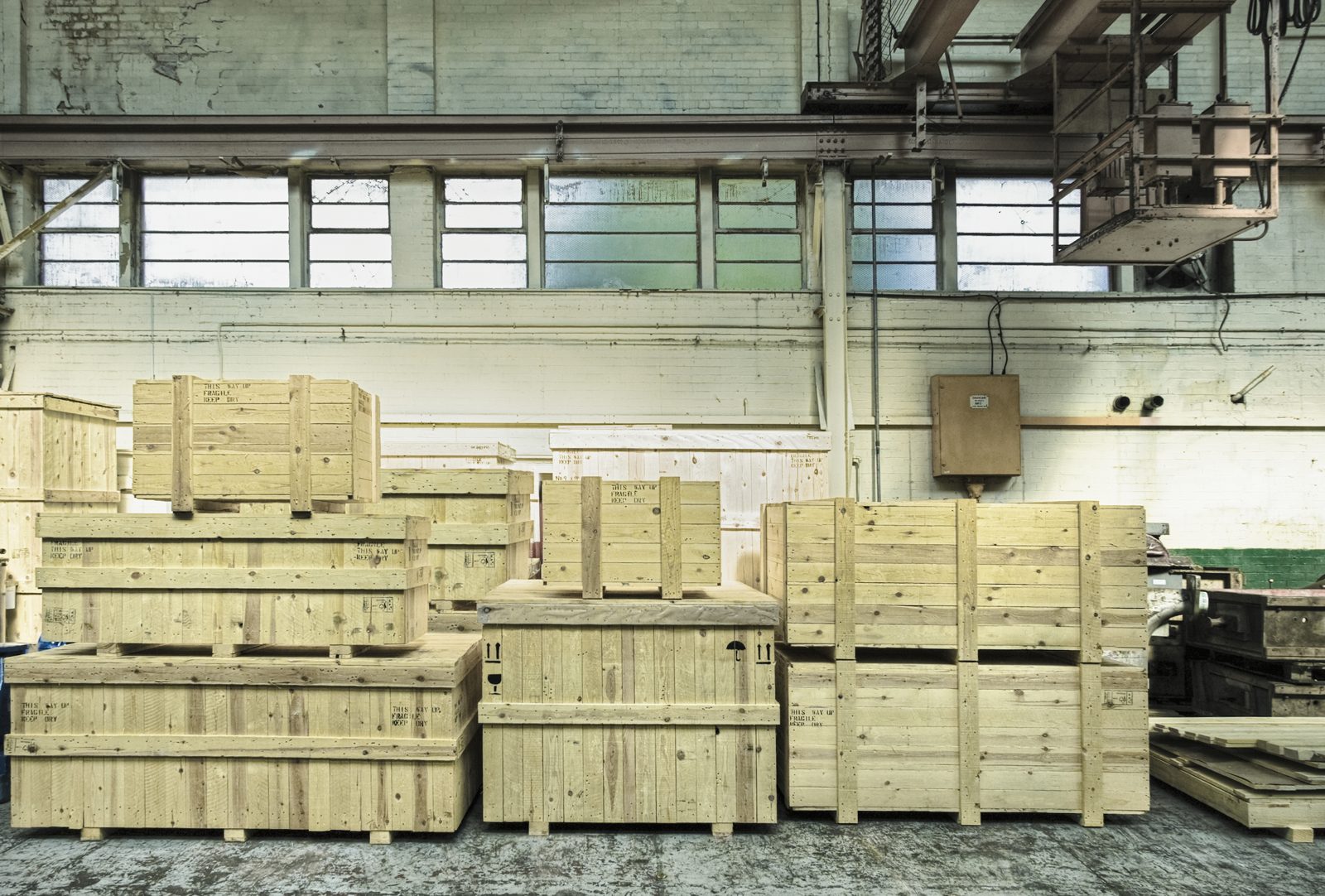
Structural work assumed to be somebody else's. Ask in writing who is pricing the header.
A discount with an expiry date. A price that drops when you hesitate was never the price. This is the one habit on the list that tells you about the supplier rather than the document.
How to Put Three Quotes on the Same Footing
Give it twenty minutes. The goal is one scope across all three quotes before you compare any figure.
- Pick the most complete quote and use its scope as the standard. It is usually the longest one.
- Add the missing scope to the other quotes as your own estimates, and mark them as yours. If quote A charges $40 an opening for removal and disposal and quote B says nothing about it, put $40 an opening into B. You are not guessing their price; you are making the comparison possible.
- Split every quote into supply and labor. If a quote is installed only, ask for the split. A supplier who will not give it is telling you something.
- Put the glass on the same footing. Get every quote to the same certified U-factor, or note what the difference costs.
- Then compare the totals.
Red Flags That Should End the Conversation
These are not warnings. Each one is a reason to stop.
A supplier who will not give a per-unit schedule. Every supplier has one, because the order cannot be placed without it.
No certified U-factor for your configuration. A range for the product line is not an answer. The number for your unit and glass is public and specific.
"Slim frames" with no dimension. Either the supplier does not know the figure or would rather you did not.
An insert quoted without anyone looking at your frames. That is the cheap answer offered on hope. If the old frames are rotten or out of square, the new window inherits every problem and hides it behind the trim.
A lead time nobody will put in writing.
Any kind of pressure to sign.
Five Questions to Send Every Supplier
Copy these as they are. The wording matters more than it looks.
- What is this exact configuration certified to, and where is the listing? You want the unit and glass you are being quoted, not the range for the product line.
- What is the frame dimension, fixed and operable? You should get two numbers.
- What is in stock today, what is a special order, and what is the lead time on each? "Do you have parts?" gets a yes from everyone, so ask all three parts.
- Who holds the warranty, you or the manufacturer? A warranty you can claim directly works differently from one you have to escalate.
- What is excluded? Ask it as an open question and notice how long the answer is.
Where Alumen Fits, and Where It Does Not
We include ourselves because the comparison is more useful when it is honest about us too.
Where we are not the right buy. A whole house of standard openings that are staying the same size. Builder-grade vinyl and fiberglass do that job well for far less, so buy them from someone who specializes in them. We are also not the right system for the thinnest possible sightlines: our frames are 62 mm fixed and 108.4 mm operable, and steel and minimal-frame systems are slimmer.
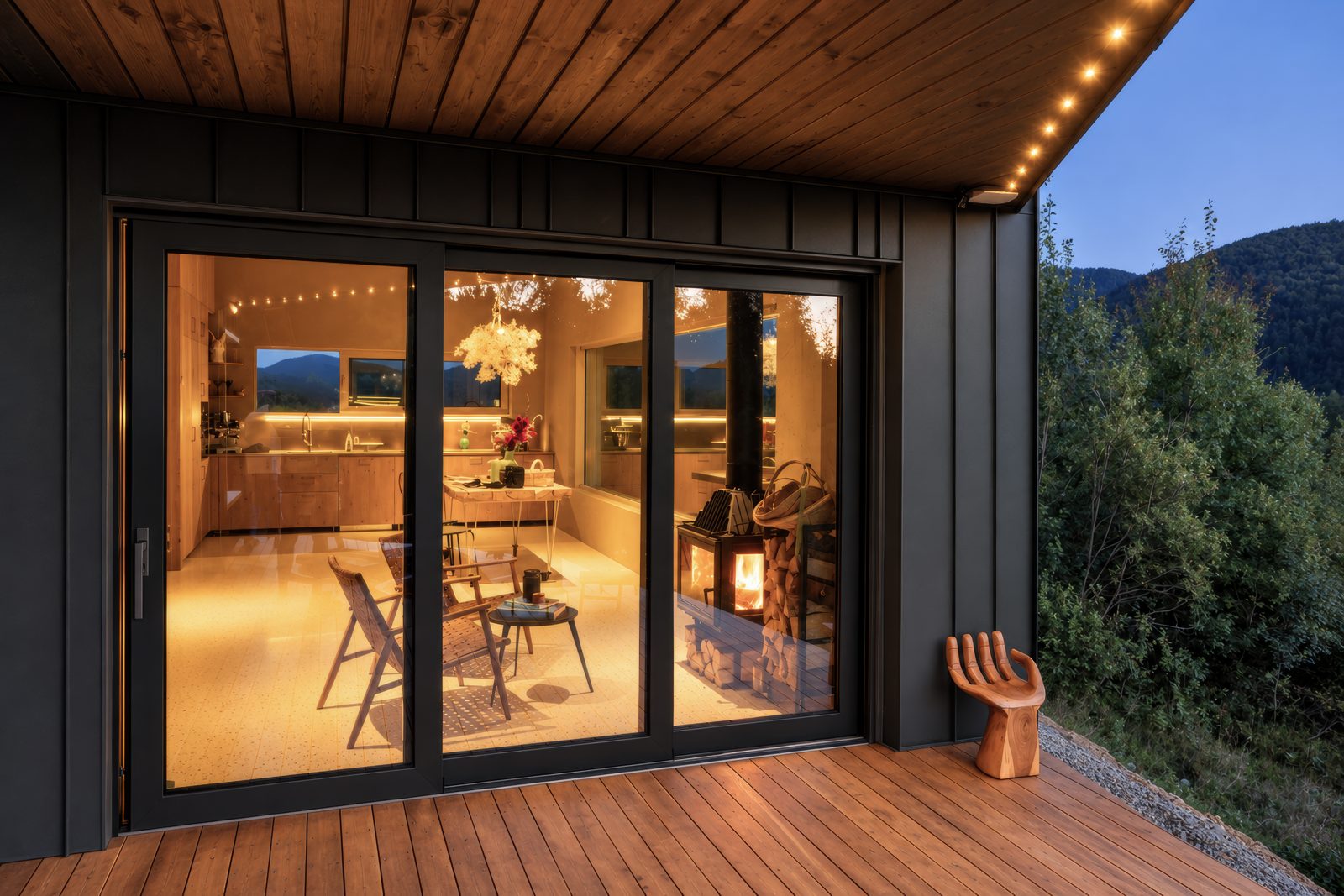
Where we are worth a look. A large opening other materials cannot make, a wall of glass that should arrive as factory-joined units rather than windows sealed together on site, or a project where the frame dimensions and the certified data matter.
If every quote you hold is for standard windows, the review may well not end with us, and that is a fine outcome.
Frequently Asked Questions
How do I compare window quotes from different companies?
What should a window quote include?
Is the quote review really free?
Do I have to include a quote from Alumen?
What if I only have one quote?
Send them and a person will tell you what each one includes, what it leaves out and what to ask, within two business days.